
 Grass & Gravel Grids
 Turf Reinforcement Grid
Open-grid mat for load-bearing grass — roots grow through.
- 500×500 mm
- ~40–50 mm
- interlocking
Products / Grass & Gravel Grids
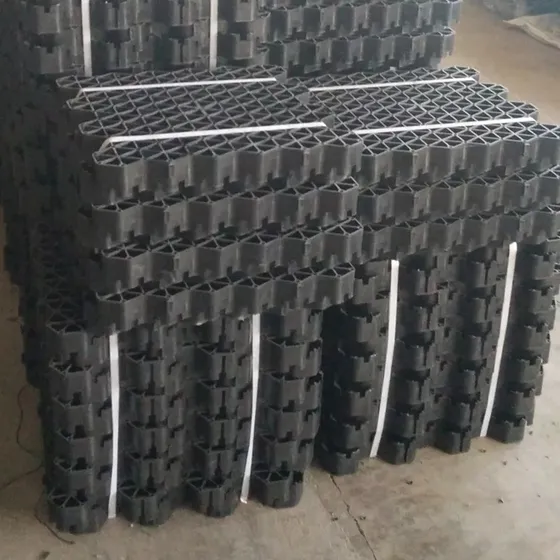
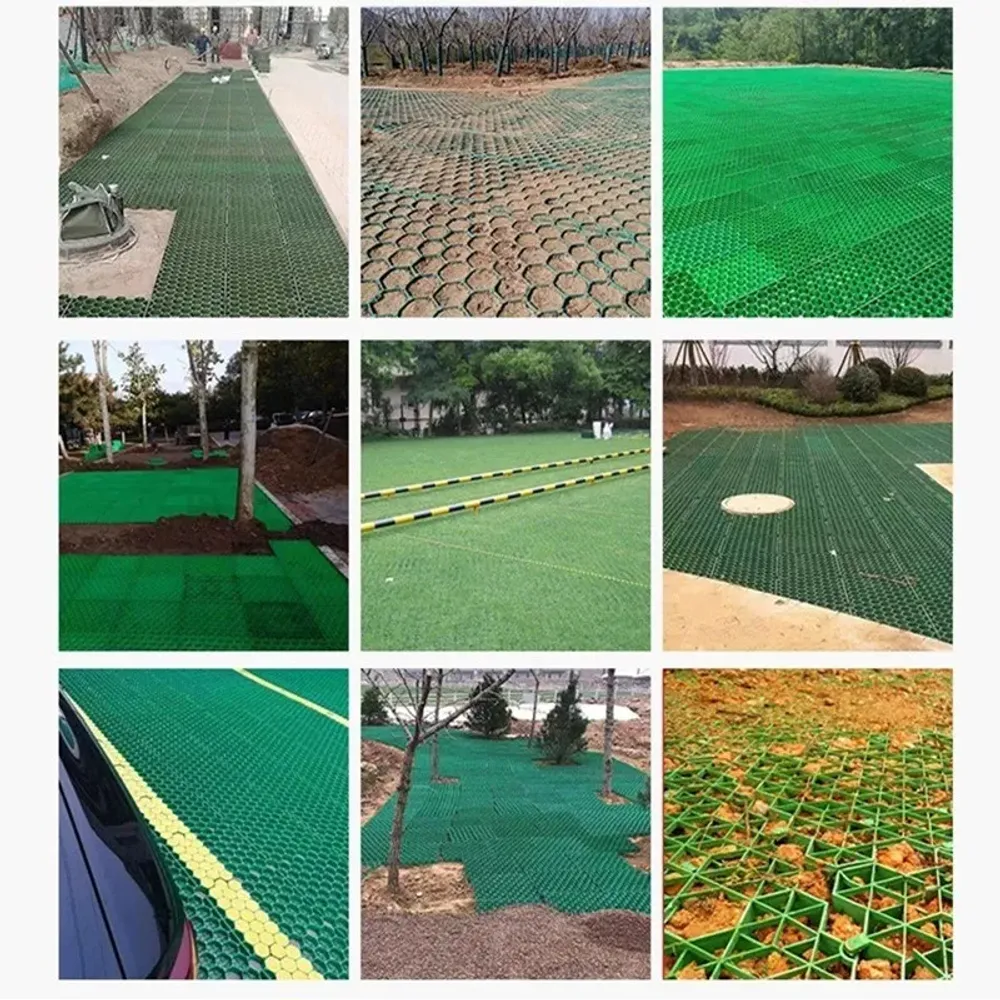
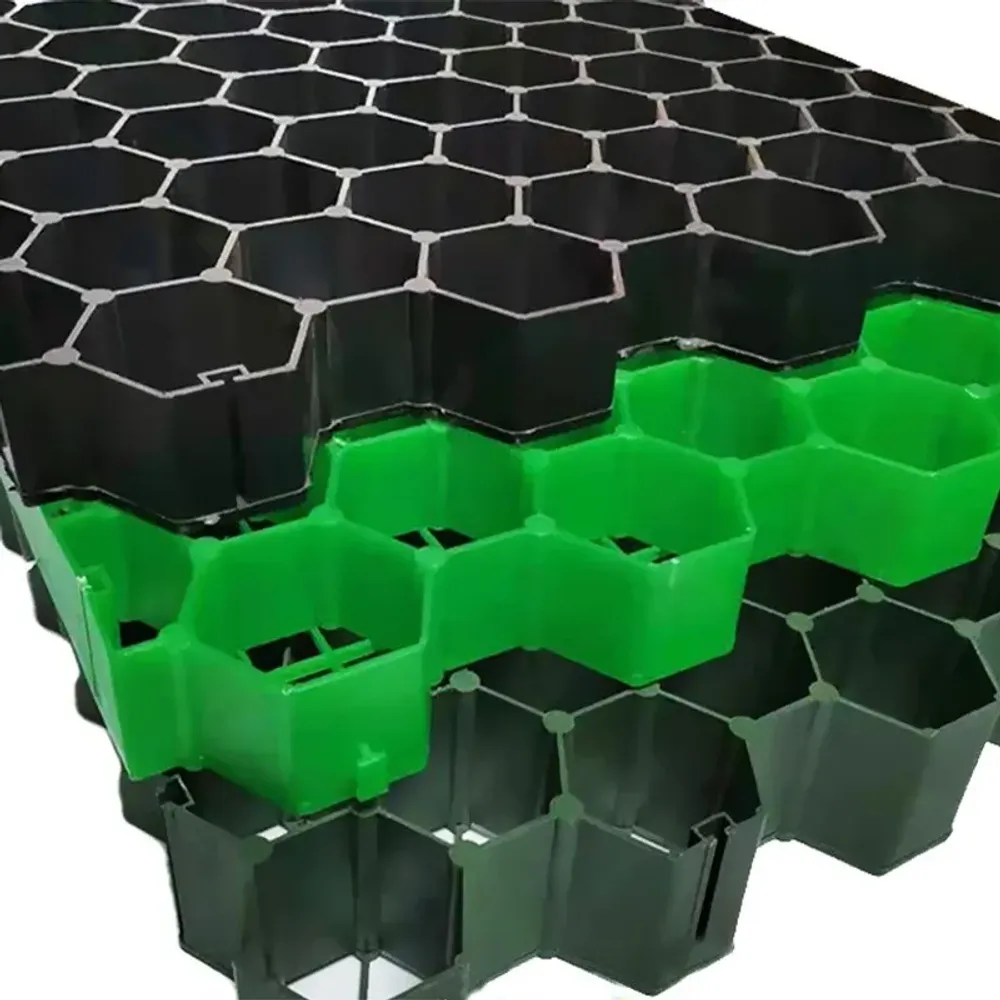
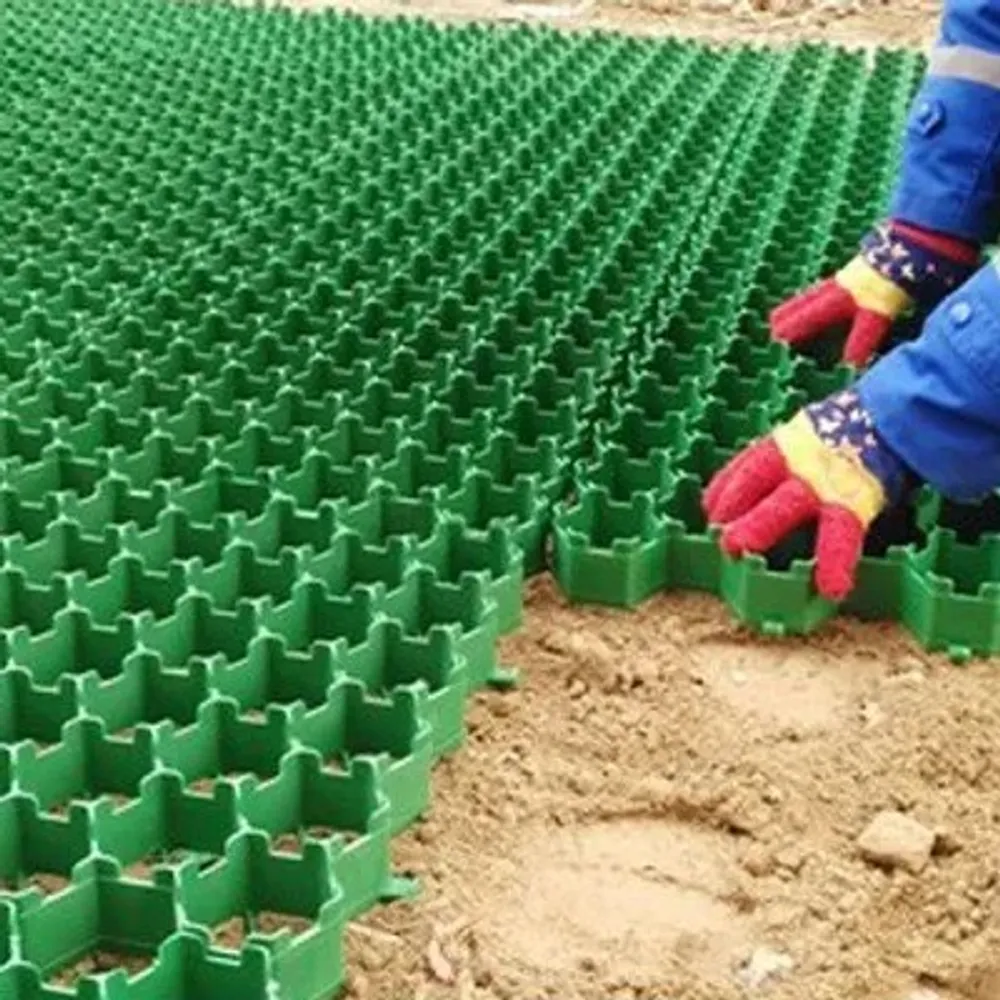
A cellular HDPE gravel grid — also sold as a grass grid, grass paver, or ground reinforcement grid — moulded from modified high-molecular-weight HDPE. The honeycomb cells confine loose gravel or topsoil-and-grass and spread wheel and foot loads to the sub-base, so a lawn or gravel area carries vehicles without rutting while rain drains straight through. Green and fully recyclable, it makes lawn and car park one in one.
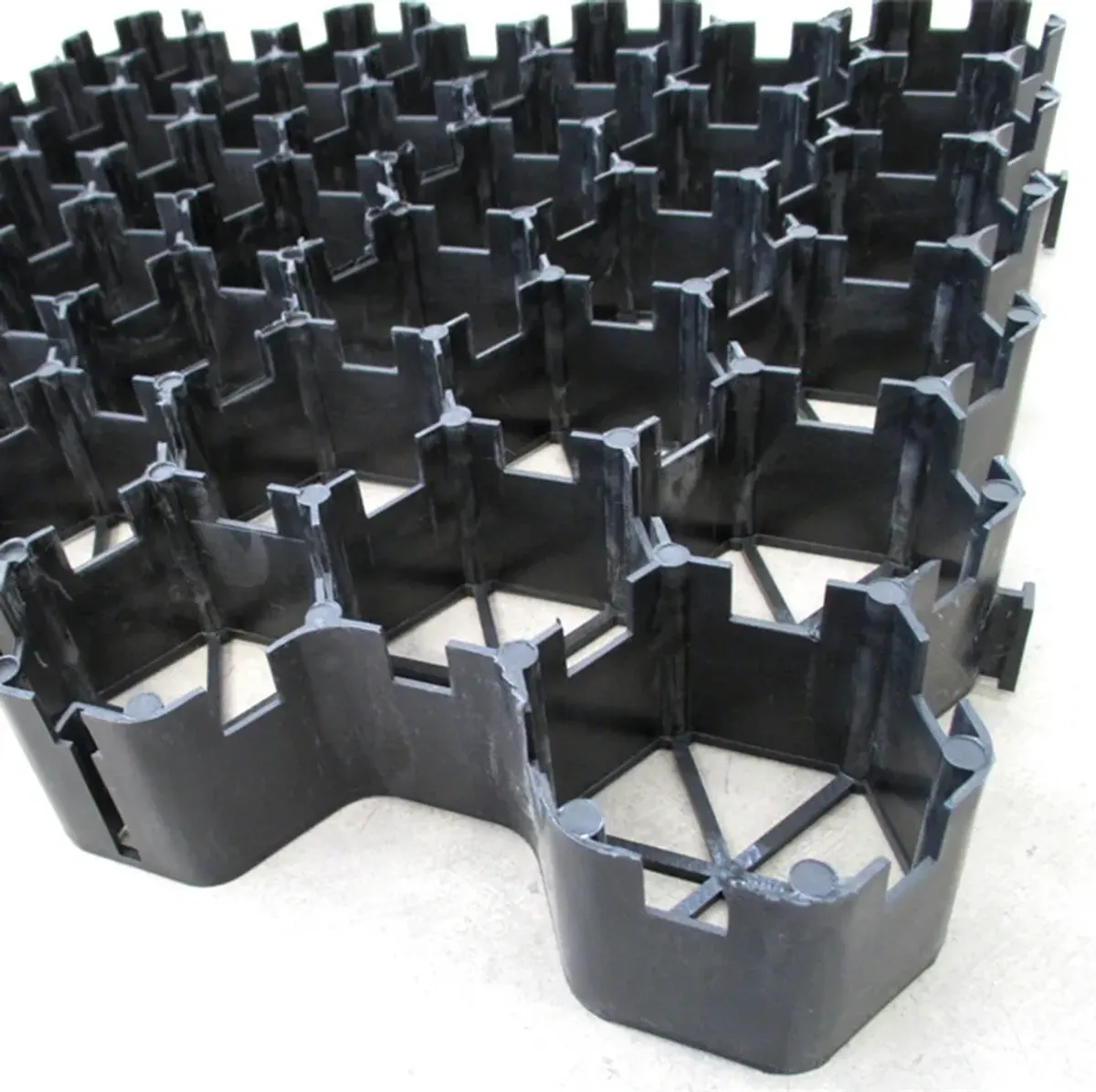
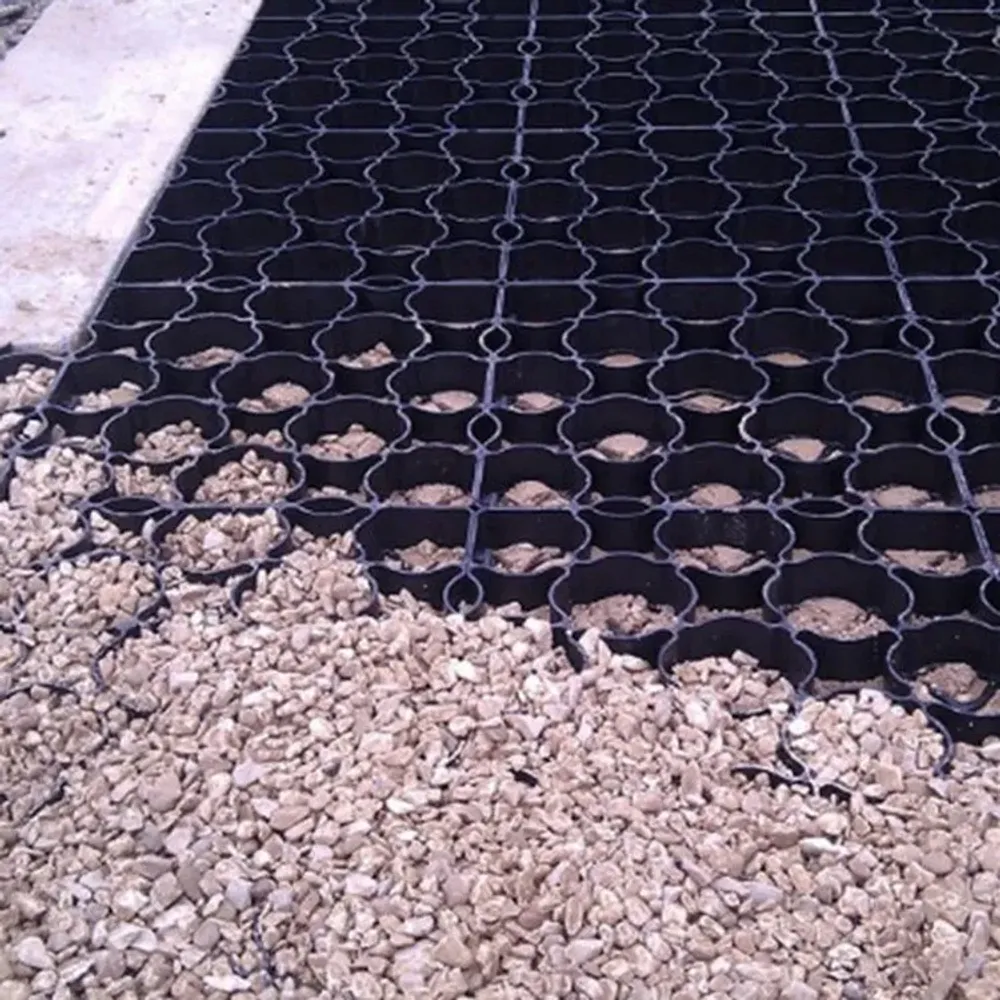
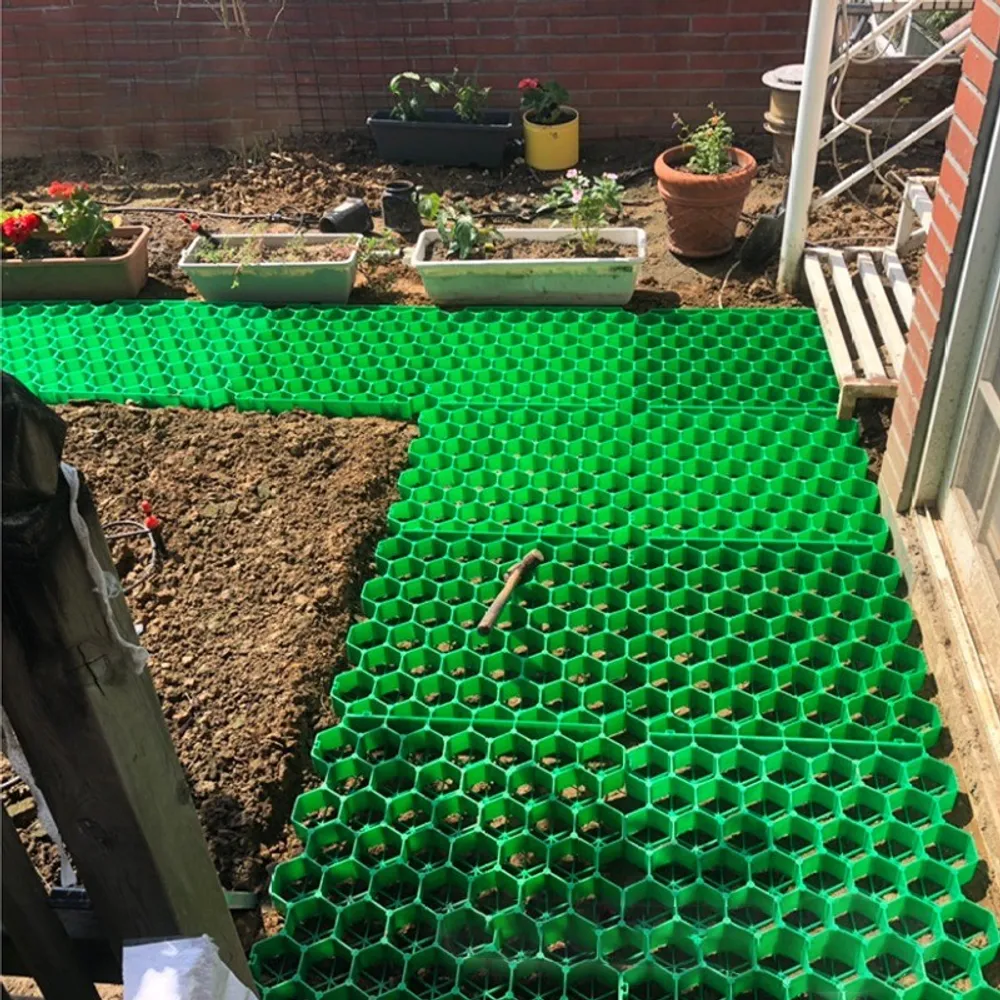
A gravel grid is a cellular HDPE paver — a honeycomb of open cells you lay over a prepared base and fill with gravel, or with topsoil and grass seed. Sold as a gravel grid, a grass grid, a grass paver, or a ground reinforcement grid, it confines the fill so loose gravel stops migrating and grass roots knit into a stable mat. Moulded from modified high-molecular-weight HDPE, it is recyclable and built to outlast the surface it carries — the lawn-and-car-park-in-one this product is known for, a green surface that still takes a car.
Pressed flush into the ground, the cell walls spread each wheel load sideways into the fill and down to the sub-base instead of letting a tyre punch into soft soil. Filled with compacted gravel, a 500×500 mm panel system carries on the order of 200–400 t/m², delivering genuine ground stabilisation so an overflow car park, a gravel driveway, or a fire lane stays firm and rut-free through a wet weekend. Foot traffic and vehicles ride on the grid and the ground together, which is what stops the surface churning into mud.
Because the grid is roughly 95% void it is fully permeable: rainwater soaks straight through to the soil with no surface runoff and no standing water, so you sidestep the drainage paperwork a sealed area triggers. The open structure drains groundwater and keeps the surface clean, and it lets plant roots grow and breathe rather than rot — it suppresses weeds, cuts ground heat and reflection, and holds the soil in place through heavy rain.
A flat plug-lap joint clips panels together by hand — fast to install, easy to lift and reuse, and able to absorb thermal expansion without buckling. Use it for overflow and grass car parks, gravel driveways and garden paths, reinforced verges, and emergency or fire-access lanes that must stay green but take occasional traffic. For a flush grass-only finish see the turf reinforcement grid; for short events where you lay and lift the same week, a clear turf protection mat protects the grass instead — and our guide on protecting turf and landscaping with ground mats covers choosing between them.
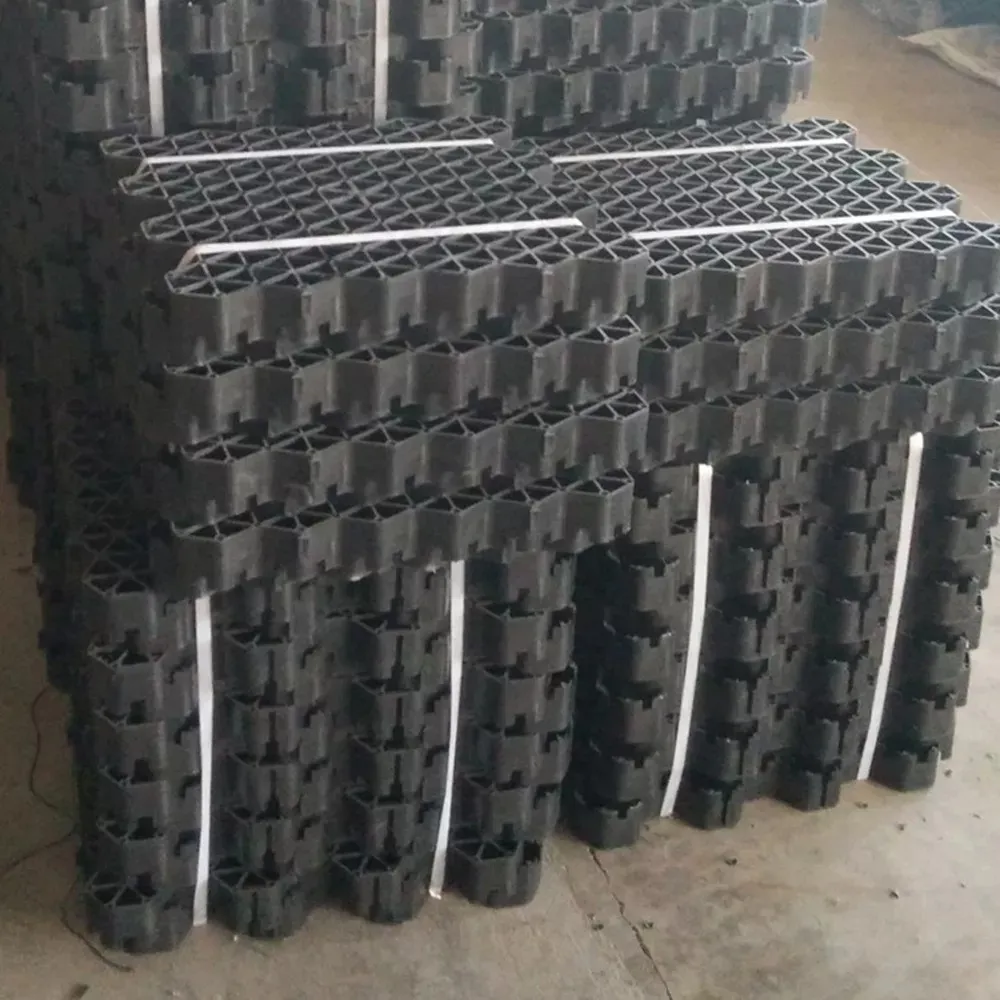
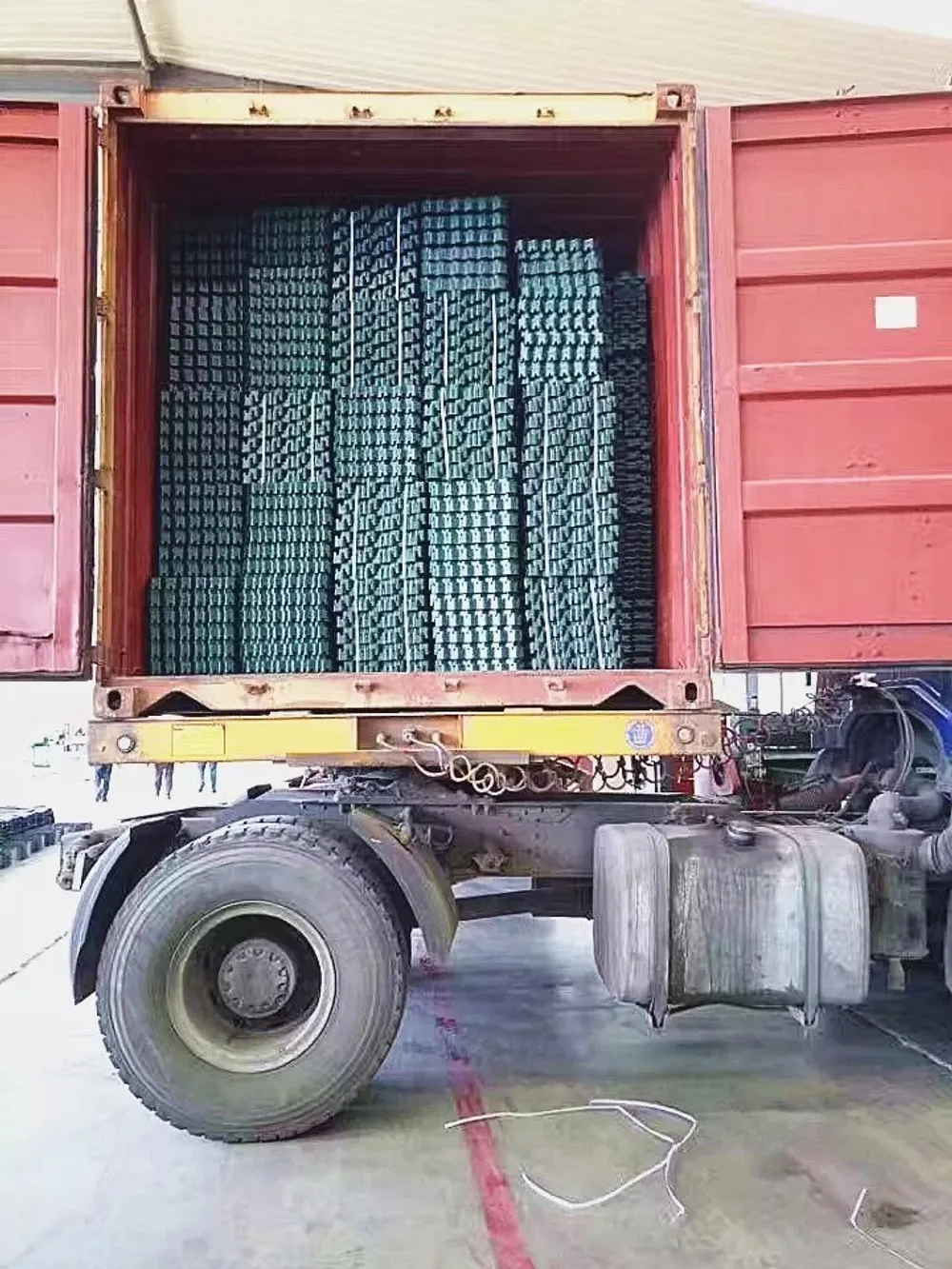
| Panel | ~500 × 500 mm (also 690 × 340 mm) |
|---|---|
| Cell depth | 38–50 mm |
| Load | ~200–400 t/m² filled (gravel) |
| Material | Modified / recycled HDPE |
| Color | Black (gravel) · Green (grass) |
| Infill | Gravel or topsoil + grass seed |
| Joint | Flat plug-lap interlock |
| Permeability | ~95% void — fully draining |
Quoted load figures assume a competent, evenly prepared sub-grade. A mat spreads and distributes load — it does not turn soft ground into hard standing — so size to ground bearing pressure (load ÷ contact area).
Either. The cellular HDPE panel confines loose gravel or topsoil and grass seed, so the same product works as a gravel driveway, a grass car park, or a fire-access lane. Filled with compacted gravel, a ~500×500 mm panel carries on the order of 200–400 t/m²; filled with grass it stays fully permeable and green.
Lay panels over a prepared, level base and clip them together edge to edge with the flat plug-lap joint — no tools required. Fill the cells with compacted gravel or topsoil and grass seed, then compact or seed as normal. The joint absorbs thermal expansion, so a large area does not buckle in hot weather.
Tell us quantity, destination port, and any questions — we reply within one business day.
Grass & Gravel Grids Open-grid mat for load-bearing grass — roots grow through.
 Ground Protection
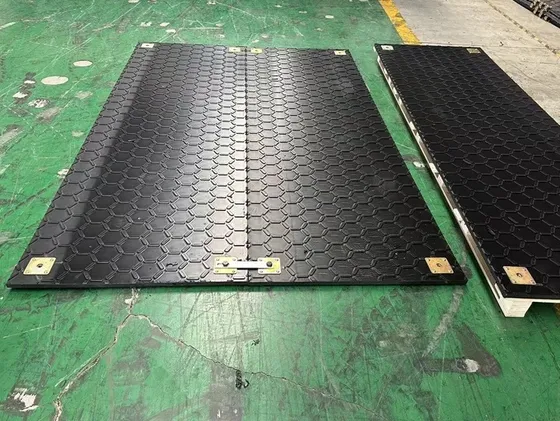
 The everyday 4x8 ground protection mat — black HDPE / plastic ground protection sheets, reversible tread, hand-portable, reusable for years.
 Heavy-Duty
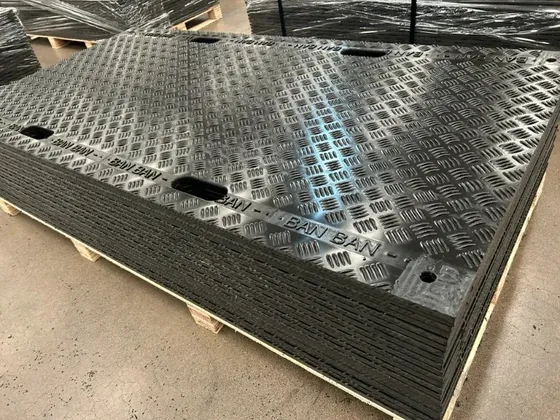
 Thicker, denser 4×8 ft heavy-duty ground protection mat for loaded trucks, dozers, and excavators.