
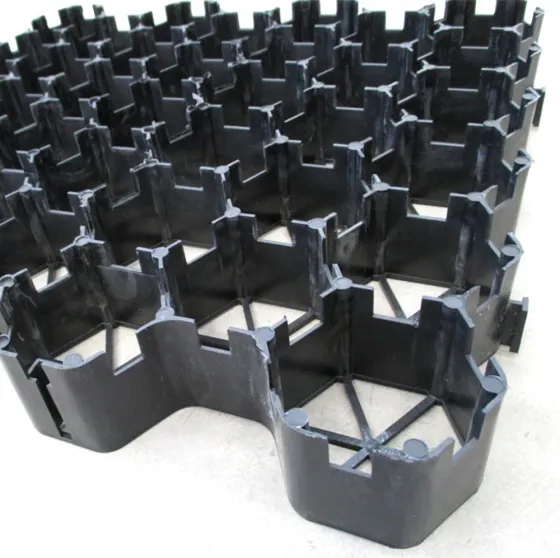
 Grass & Gravel Grids
Gravel Grid
Cellular HDPE gravel grid and grass grid — a permeable ground reinforcement grid that turns grass or gravel into a load-bearing car park or driveway.
- ~500×500 mm
- 38–50 mm cell
- gravel or grass
2026-07-13 · SIGMA Technical Team
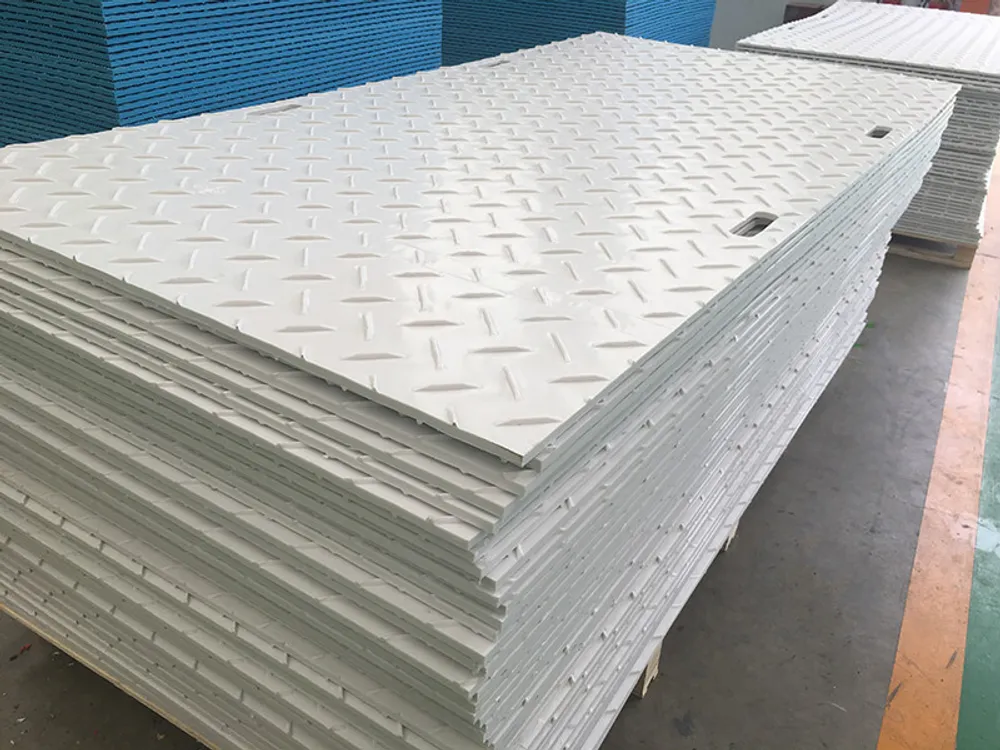
How to grow healthy grass in HDPE grid pavers — soil depth, seed choice, watering, mowing, and the common mistakes that kill turf in the cells.
A grid cell confines the roots to a small volume of soil, restricts light to the area above that cell, and subjects the turf to tyre compaction that an open lawn never sees. That does not mean grass cannot thrive in a turf reinforcement grid — it does, reliably — but the conditions are different enough that you cannot just lay the grid, scatter seed, and walk away. A little planning at the filling stage pays back in a surface that stays green instead of turning to bare mud within a year.
Fill the cells with a good-quality topsoil or a topsoil–sand mix — not subsoil, not pure sand, and not builder's rubble with a thin layer of earth on top. The soil depth inside the cell is all the root zone the grass gets, so it needs to hold moisture and nutrients without waterlogging. A well-draining loam or a sandy loam at the full cell depth gives roots the best chance, especially in summer when a shallow, compacted fill dries out fast.
Choose a hard-wearing amenity grass seed mix designed for traffic and drought tolerance — the dwarf perennial ryegrass and fescue blends sold for sports pitches and overseeded parking areas. Avoid fine ornamental mixes, which look good on an untouched lawn but cannot handle the compaction and wear that traffic in a grid puts on the plant. Sow at the rate on the bag, rake the seed into the top of the fill, and press down lightly.
Keep the seed moist — not flooded — until it germinates and establishes, which usually takes two to four weeks depending on the season. Water lightly and frequently rather than soaking, because the confined cell volume drains fast and a heavy watering washes seed to the edges. Once the grass is established and mown twice, it can handle normal foot traffic; hold vehicle traffic off for at least six to eight weeks to let the roots anchor.
Mow at a regular lawn height — typically 30–50 mm — and do not scalp it, because short grass in a grid has no recovery room. A rotary mower or a robotic mower both work; the grid sits flush with the surrounding surface, so the blade clears the cell walls without catching. Feed and overseed annually in early autumn, and brush in a thin top-dressing of sandy loam to replenish the soil depth that traffic and weathering wear down.
The same handful of errors turn a green grid into a bare one: skimping on soil depth so the grass starves and dries out, using rounded gravel instead of soil in the cells so the grass has nothing to root into, parking on newly seeded cells before establishment, and waterlogging from a sub-base with no drainage fall — a problem covered in how to prepare the subbase for grass grid pavers. Avoid those four and the grass generally looks after itself. For a surface that skips the living element entirely, a gravel fill is the lower-maintenance alternative.
Tell us your equipment tonnage, ground condition, quantity, and destination port — we reply within one business day.
Grass & Gravel Grids Cellular HDPE gravel grid and grass grid — a permeable ground reinforcement grid that turns grass or gravel into a load-bearing car park or driveway.
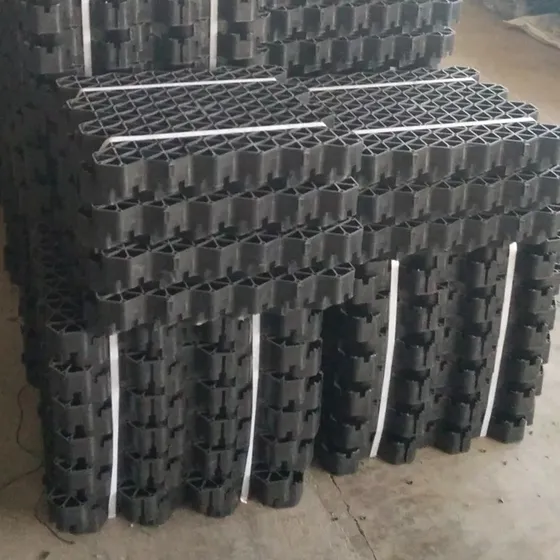 Grass & Gravel Grids
Permeable 500×500 mm HDPE turf reinforcement grid (~95% open cell, 100–150 t/m² filled) where grass roots grow through for load-bearing lawns.
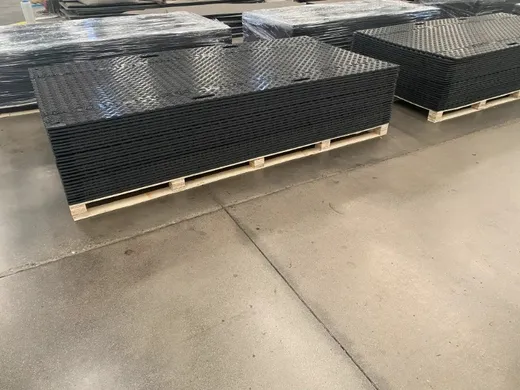
How logging mats hold up a haul road through soft or wet timber ground, how they differ from dragline mats, and how to size HDPE against the machines that will cross them.
Read →
The resin shikiita brands Japanese sites specify most often — Super Ju-Lite, Repi Board, W-Board, Koujiban and Tough Mat — what each is known for, and where a factory-direct HDPE mat fits alongside them.
Read →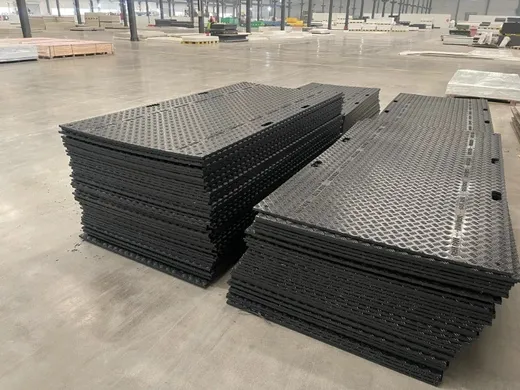
How HDPE ground mats turn grass, gravel, and made-up ground into working parking — when to use solid mats, when a grass grid is the better answer, and how to size for car and van traffic.
Read →