
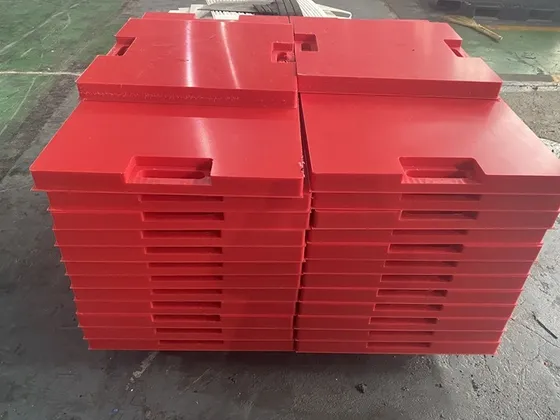
 Outrigger Pads
Crane Outrigger Pad (Square)
Square HDPE/UHMWPE crane outrigger pads (450–1200 mm, 25–100 mm thick, 12–100+ t WLL) for mobile cranes, concrete pumps, and MEWPs.
- 450–1200 mm
- 1–4 in
- handle
2026-04-26 · SIGMA Technical Team
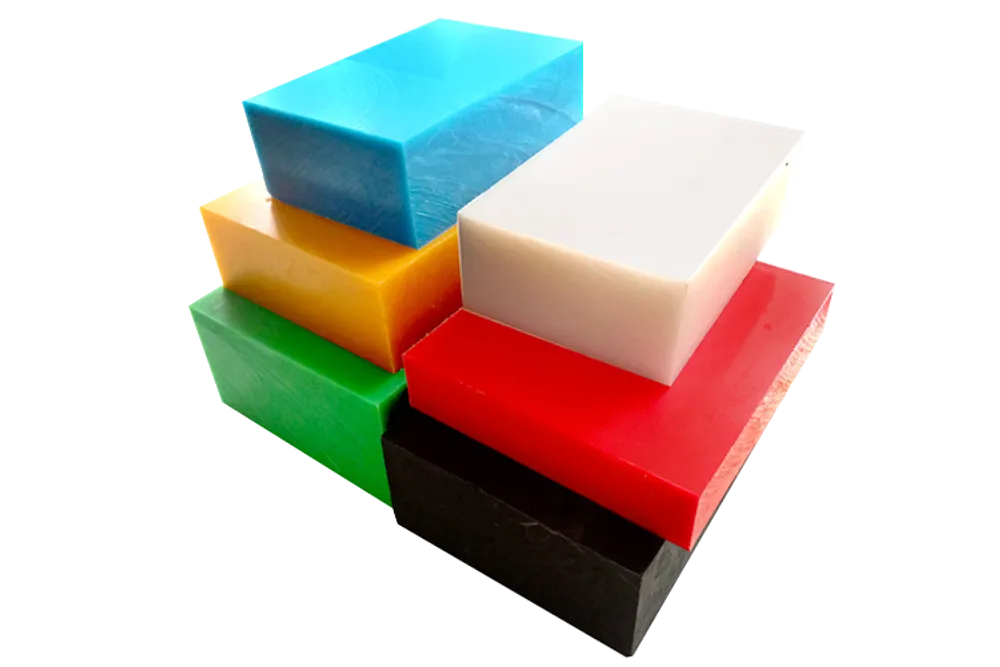
Quick-reference crane outrigger pad sizing chart (25t–250t+) and bearing-pressure formula (Area = Load ÷ Soil Capacity) for square & round HDPE pads.
A crane’s entire working weight concentrates onto four small outrigger floats. Without crane outrigger pads, that pressure routinely exceeds the ground’s capacity and a leg sinks — the leading cause of mobile-crane tip-overs. The pad spreads the float load over a larger area so the machine stays level and stable through the lift — riggers on site often just call them crane rigger mats.
Crane outrigger pads size up with the machine. Lighter carriers run on 24x24 outrigger pads, while 30x30 outrigger pads and larger come in as rated capacity climbs. The table below gives a starting point for square outrigger pad sizing by rated crane capacity and ground condition. Always confirm the actual outrigger reaction from your crane's load chart at the working radius before you order, and check it against the ground on the day — this is a reference point, not a substitute for that figure. Round pads follow the same logic at a smaller working diameter — see the round outrigger pad range.
| Crane class | Compacted crushed stone | Firm natural soil | Soft or wet ground | Recommended SIGMA product |
|---|---|---|---|---|
| 25 t mobile crane / MEWP | 24×24 in (600 mm) | 30×30 in (750 mm) | 36×36 in (900 mm) | Square Pad / Round Pad |
| 50 t mobile crane | 30×30 in (750 mm) | 36×36 in (900 mm) | 48×48 in (1200 mm) | Square Outrigger Pad (60 mm) |
| 100 t all-terrain crane | 36×36 in (900 mm) | 48×48 in (1200 mm) | 48×48 in (80–100 mm) | Heavy Square Pad |
| 250 t+ all-terrain / crawler | 48×48 in (1200 mm) | 1.0×3.0 m Crane Mat | Full HDPE crane mat platform | HDPE Crane Mats |
The core sum is simple: take the maximum outrigger load, divide by the pad area, and keep the result below the soil’s safe bearing pressure — the point-load side of ground protection mat load ratings. Weaker ground needs a bigger pad, not a thicker one. Get the maximum leg load from the crane’s load chart for the worst-case radius and slew, not the static parked figure. Outrigger pad sizes and crane mat sizes run from small bucket-truck pads up to large crane mats, so step up a size rather than guess.
A square outrigger pad puts the most area under a large float or spreader foot and gives a flat, stable seat for bigger mobile cranes — some crews call these crane spreader mats or spreader pads crane, since they seat a spreader-beam foot the same way. A round pad seats cylindrical MEWP and boom-lift feet neatly and rolls for easy handling. Match the pad shape to the foot it carries.
High-grade HDPE and UHMWPE pads are light, will not rot or absorb water, and resist impact. Thickness should suit the load so the pad spreads pressure without dishing or excessive flex — a pad that bends under the float is not spreading the load you think it is.
Rope or cut-out handles make pads easy to place and recover, and UV-stable polymer means they can live on the truck and shrug off weather between jobs. Keep a range of sizes on board so the operator can step up a size when the ground turns out softer than the survey suggested. A pad is generally faster to deploy than stacking timber outrigger cribbing, and for crane outrigger cribbing specifically it removes the guesswork of how many blocks to stack.
The same sizing method scales down to smaller machines. Backhoe outrigger feet take round pads sized the same way as a crane leg, just at a lower tonnage — Kubota backhoe outrigger pads and Kubota BH77 stabilizer pads are a common ask, and the same round profile covers most Kubota outrigger pads across the compact range. MEWP outrigger pads and scissor lift outrigger pads follow the same math again: divide the leg load by the ground’s bearing pressure and size the pad from there, not from the machine’s brand or model number.
DIY outrigger pads and homemade outrigger pads — a scrap of plywood, a stack of timber, a cut steel plate — show up on plenty of job sites, but none carry a rated working load limit, and a scrap board sized by eye is a guess dressed up as a solution. A moulded pad has a known diameter, thickness, and vertical WLL, so the sizing calculation above actually means something instead of hoping the ground holds.
Thickness is the secondary number — area is what stops the leg sinking. Standard square and round pads run 1–4 in (25–100 mm): the thin end suits light MEWP and boom-truck jacks on firm ground, while a 2–4 in pad resists impact and stays flatter under a heavier mobile crane. Going thicker without going wider does not fix an undersized pad — if the ground bearing pressure is still too high, step up the footprint first.
On firm, compacted ground a 30×30 in (750 mm) square pad is a typical starting point for a 50 t mobile crane, sizing up to 36×36 in on ordinary soil or 48×48 in once the ground is soft or waterlogged — see the table above. That is a reference point, not a substitute for the outrigger reaction load on the crane's own load chart at the radius and slew you are actually working.
An undersized pad does exactly what bare ground does, just more slowly: the point load exceeds the ground's bearing capacity, the leg sinks unevenly, and the crane goes out of level mid-lift. That is the scenario crane outrigger pads exist to prevent — when in doubt, size up rather than trust a pad that looks close enough.
Divide the maximum outrigger reaction force (from the crane load chart at worst-case radius and slew) by the soil’s allowable ground bearing pressure: Pad Area = Max Outrigger Load ÷ Safe Ground Bearing Capacity. As a rule of thumb, pad width should be at least 3× to 4× the outrigger float width.
On firm compacted stone, a 30×30 in (750×750 mm, 50–60 mm thick) HDPE/UHMWPE pad is a standard starting point for a 50 t mobile crane, stepping up to 36×36 in (900 mm) on firm natural soil or 48×48 in (1200 mm) on soft or wet ground.
Standard HDPE and UHMWPE outrigger pads range from 1 to 4 in (25–100 mm) thick. Allow roughly 1 inch (25 mm) of thickness per 15–20 tonnes of outrigger point load so the pad transfers load evenly without dishing at the edges.
Round outrigger pads (300–1200 mm diameter) seat circular MEWP, spider-crane, and boom-lift feet centrally and roll on edge for single-operator handling. Square pads (450–1200 mm) provide maximum contact area for larger mobile-crane floats and spreader beams.
Tell us your equipment tonnage, ground condition, quantity, and destination port — we reply within one business day.
Outrigger Pads Square HDPE/UHMWPE crane outrigger pads (450–1200 mm, 25–100 mm thick, 12–100+ t WLL) for mobile cranes, concrete pumps, and MEWPs.
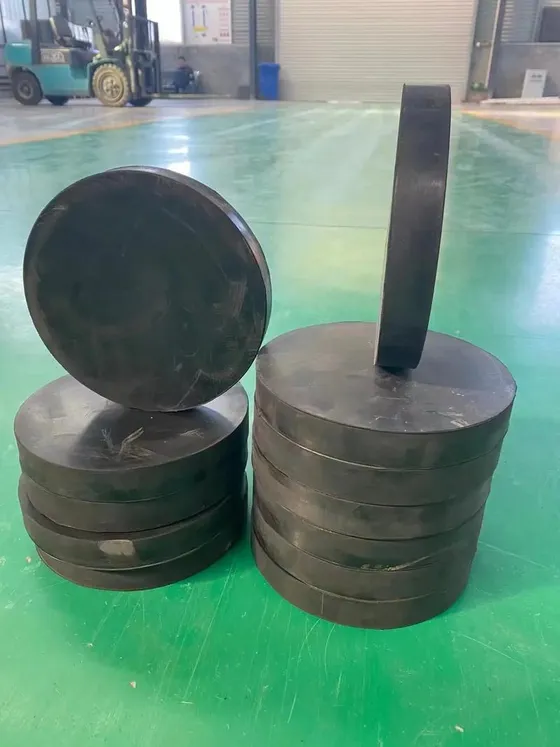 Outrigger Pads
Round HDPE crane outrigger pads (300–1200 mm diameter, 6–90 t WLL) with rope/cut-in handles for MEWPs, boom lifts, bucket trucks, and mobile cranes.
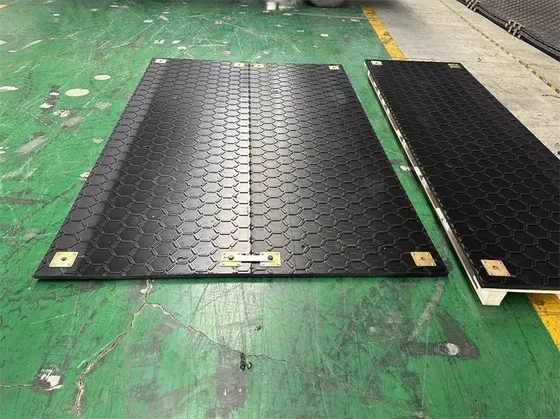 Heavy-Duty
Large-format HDPE and composite crane mats (6×8 to 8×20 ft, 38–100 mm, 600–828 psi) for crane working platforms and crawler paths. Factory direct.
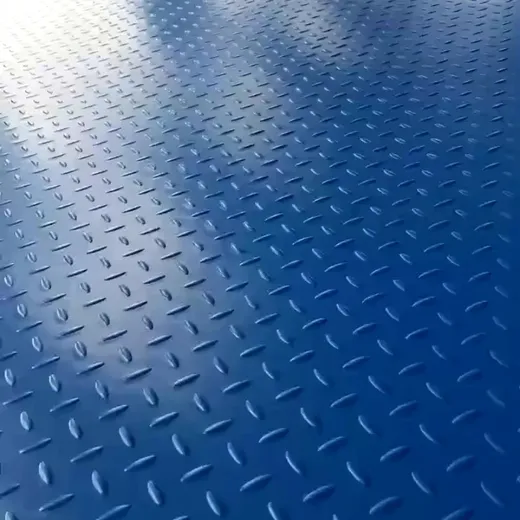
Why every jack, outrigger, and stabiliser leg needs a base plate underneath it, and how to pick the right size for cranes, aerial platforms, caravans, and scaffolding.
Read →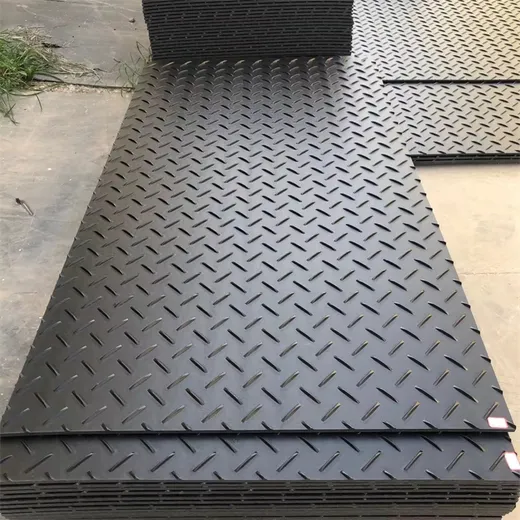
What shikiita sizes mean in millimetres, how plastic (plashiki) compares with steel plate, and what actually drives the price of a plastic ground protection board.
Read →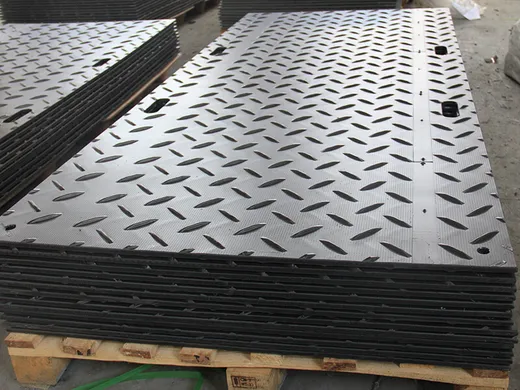
Standard crane mat sizes and dimensions explained — common panel sizes, how thickness relates to load, and how HDPE crane mats compare to timber for sizing.
Read →